

Planning a Disney World trip with kids and grandparents? These 5 multi-generational travel tips cover pacing, resorts, Lightning Lane strategy, and planning advice to help every age enjoy the magic.
Planning a Disney World trip is already a balancing act. Planning one with both your kids and your parents? That’s a whole different level of strategy.
Multi-generational Disney vacations are becoming more common, and for good reason. Grandparents love sharing the magic with grandkids, parents appreciate the extra hands, and kids get memories that span generations. But successful trips don’t just happen by accident. They require thoughtful pacing, smart planning, and realistic expectations so everyone (from toddlers to retirees) actually enjoys the experience.
If you’re organizing a Disney World vacation that includes multiple generations, these five tips can help you create a trip that feels magical instead of overwhelming.
How to Plan a Disney World Trip With Kids and Grandparents
- Slow down your schedule: Plan fewer rides and more breaks so all ages can keep up.
- Choose the right resort: Location and transportation matter more with mixed mobility needs.
- Split up without guilt: Not every activity has to be done together.
- Use Lightning Lane wisely: Skip long waits that tire out both kids and older adults.
- Build in rest days: Resort time helps prevent burnout for everyone.
Parent Tip: The best multi-generational trips prioritize flexibility, not trying to do everything in one day.
Plan a Slower Park Pace Than You Think You Need
One of the biggest mistakes families make when traveling with both kids and grandparents is trying to follow a fast-paced touring plan designed for adults or thrill-seekers.
Young kids need downtime. Older adults need breaks from walking long distances. And when you combine both, the key to a successful day becomes pacing, not squeezing in every attraction.

Photo by Laurie Sapp
Instead of planning rope drop through fireworks every day, think in shorter park windows. Morning visits often work best because energy levels are higher, crowds are lower, and Florida heat hasn’t peaked yet. After lunch, consider returning to the resort for naps, pool time, or simply relaxing indoors.

Photo by Laurie Sapp
Magic Kingdom tends to be the easiest park to pace slowly thanks to its high number of attractions and shaded areas. EPCOT, on the other hand, involves significant walking, so breaking the park into sections across multiple days can help everyone stay comfortable.
When building your itinerary, aim for flexibility. A plan that allows grandparents to sit and watch a parade while kids ride a nearby attraction keeps everyone happy without forcing constant movement.
Choose a Resort That Minimizes Walking and Transportation Stress
Where you stay matters even more when planning a multi-generational Disney World vacation. Transportation convenience can make or break the experience, especially for grandparents who may find long bus rides or crowded transfers exhausting.
Monorail and Skyliner resorts are often ideal for families traveling with both young children and older adults. Resorts like Disney’s Contemporary Resort, Disney’s Polynesian Village Resort, and Disney’s Riviera Resort offer quick access to parks without the need to fold strollers or wait in long transportation lines.

Photo by Morgan Flaherty
If budget is a concern, consider resorts with strong bus service and compact layouts. Some value resorts require long walks between buildings and transportation stops, which may feel manageable for adults but challenging for grandparents after a full park day.
Room configuration is another important factor. Multi-generational groups often benefit from larger rooms or connecting spaces, allowing grandparents to rest while kids wind down from the day. DVC villas or family suites can create a home base where everyone feels comfortable without stepping on each other’s toes.
Remember, the goal isn’t just finding a place to sleep, it’s creating a relaxing retreat where all generations can recharge.
Don’t Be Afraid to Split Up
Many families feel pressure to experience everything together, but the truth is that splitting up strategically can make a multi-generational trip more enjoyable.
Grandparents may prefer slower attractions, shows, or dining experiences, while kids might want to ride thrill rides or explore high-energy lands. Instead of forcing everyone to compromise constantly, plan moments where the group divides and reconnects later.

Photo by Cliff Wang
For example, grandparents might enjoy relaxing at a resort lounge or watching a parade while parents take older kids to a thrill ride. Younger kids can nap with grandparents while parents grab a Lightning Lane for a popular attraction. These small separations prevent fatigue and keep everyone engaged in activities they genuinely enjoy.
Disney World’s layout makes regrouping easy. Mobile apps allow families to track wait times, coordinate meeting spots, and adjust plans on the fly. By embracing flexibility, you turn potential conflicts into opportunities for personalized experiences.
⭐ Grandparent-Approved Disney World Parks Ranking
Traveling with grandparents changes how you experience the parks. Comfort, pacing, and places to relax matter just as much as ride count. Here’s how many multi-generational families rank the parks when older adults are part of the trip:
- #1 Magic Kingdom: Plenty of shows, shaded seating, classic rides, and easy navigation make this the most flexible park for all ages.
- #2 EPCOT: World Showcase offers slower exploration, dining, and entertainment that grandparents often enjoy as much as the kids.
- #3 Animal Kingdom: Beautiful scenery and animal trails are great for relaxed mornings, though the heat and walking can be tiring later in the day.
- #4 Hollywood Studios: Incredible thrills, but fewer places to sit and recharge — best for shorter visits with older kids.
Dad’s Guide Tip: Plan mornings together, then let grandparents enjoy shows or dining while kids tackle thrill rides — everyone gets their perfect Disney day.
Use Lightning Lane Strategically to Reduce Physical Strain
Long lines are exhausting, especially for older adults and young children. That’s why Lightning Lane strategies become even more valuable during a multi-generational Disney trip.
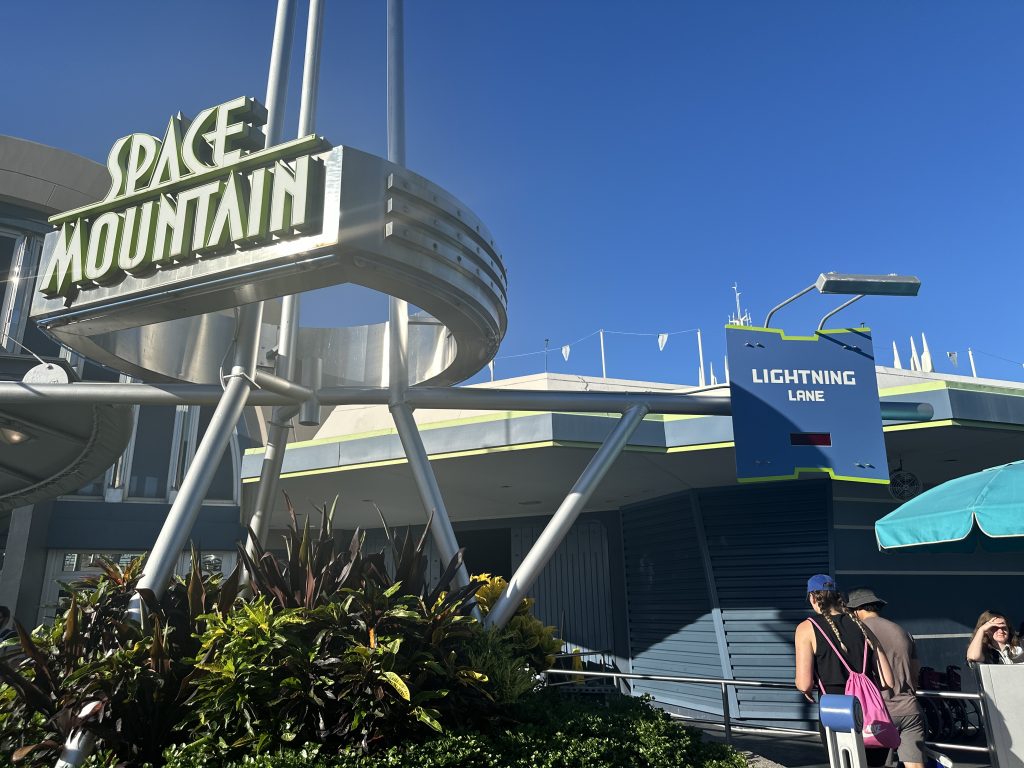
Photo by Morgan Flaherty
Instead of using Lightning Lane solely to maximize ride count, think of it as a tool to conserve energy. Prioritize attractions with long outdoor queues or minimal seating areas. Skipping these waits can dramatically improve the day’s comfort level for grandparents while keeping kids from becoming restless.
Magic Kingdom and Hollywood Studios typically offer the biggest benefit from Lightning Lane planning because of their popularity and ride demand. Choosing early return times can also help families avoid standing in queues during the hottest part of the afternoon.

Photo by Cliff Wang
Another helpful strategy is pairing Lightning Lane rides with nearby shows or dining reservations. This creates a natural rhythm of activity followed by rest, allowing older adults to recover between busier moments.
The goal isn’t rushing from ride to ride, it’s creating a smoother flow that keeps everyone energized throughout the day.
Schedule Resort Days
When traveling with multiple generations, rest days become essential rather than optional. Kids need downtime to reset, and grandparents often appreciate slower mornings that don’t involve long walks or crowded buses.

Photo by Laurie Sapp
Disney World resorts offer plenty of activities that appeal to all ages. Pools, movie nights, campfires, and casual dining options provide entertainment without the intensity of park touring. For grandparents, this can be a chance to enjoy the atmosphere while kids burn energy in a more relaxed environment.
Resort days also allow families to explore beyond rides. Character dining, scenic boat rides, or a leisurely visit to Disney Springs can create meaningful shared moments without the pressure of a full park schedule.

Photo by Morgan Flaherty
Many families discover that their favorite memories come from these quieter experiences, watching kids swim with grandparents cheering them on, or sharing a relaxed dinner after a busy park day.
By building intentional rest days into your itinerary, you prevent burnout and ensure that everyone arrives at the parks feeling refreshed rather than exhausted.
