

Disney World mistakes happen to everyone, but when you’re visiting with kids, a small planning misstep can quickly turn into a much bigger problem. Here are the mistakes parents will want to avoid on their next trip.
There’s a big difference between making a Disney World mistake when you’re traveling with adults and making one when you have kids in tow. Miss your Lightning Lane with a group of adults? Annoying. Miss it because your toddler fell asleep five minutes before your return time? Suddenly, you’re rethinking the entire afternoon.
Visiting Disney World with kids requires a different kind of planning. You’re working around hunger, naps, bathroom breaks, overstimulation, and little legs that don’t necessarily care how much you paid for your park tickets. And while you can’t prevent every meltdown or perfectly predict how your day will go, there are a few common Disney World mistakes that become significantly harder to recover from when you have kids.
Trying to Get Your Money’s Worth
Disney World is expensive, so it’s understandable to want to squeeze every possible minute out of your park day. But when you’re traveling with kids, trying to “get your money’s worth” can actually make the day less enjoyable.

Photo by Brett Svenson
You don’t need to be at the park from opening until closing to have a successful Disney day. In fact, depending on your kids’ ages, you may have a much better time arriving early, taking a long afternoon break, and returning in the evening. Or maybe you call it a day at 4 PM and spend the evening swimming at your hotel. The money is already spent. You’re not getting more value out of your ticket if everyone is miserable for the final three hours.
Not Having Food Ready Before Everyone Is Hungry
Waiting until your kids announce they’re hungry is already a gamble at home. At Disney World, where the nearest food option could have a long line or require a walk across the park, it can be a disaster.
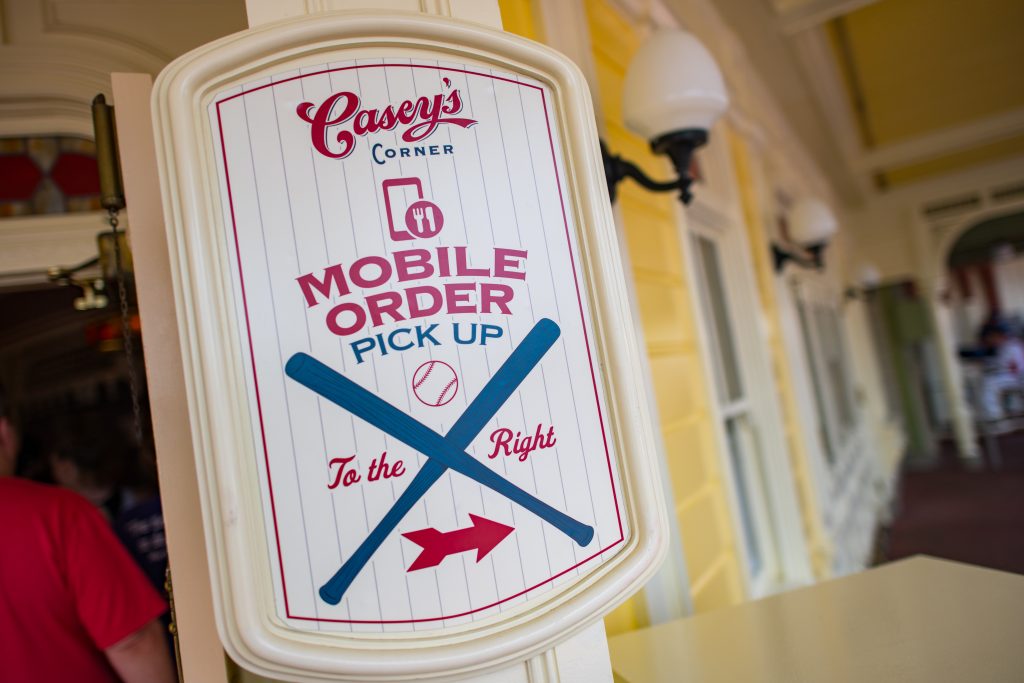
Photo by Cliff Wang
Keep snacks in your park bag and think ahead about meals before hunger hits. If you’re planning to eat at a quick-service restaurant, placing a Mobile Order before everyone is starving can save you from standing around with an increasingly impatient kid. This is also one reason I don’t love overscheduling meals with kids. Sometimes flexibility is more valuable than having every breakfast, lunch, and dinner mapped out months in advance.
Assuming Your Kids Can Handle Your Usual Vacation Pace
Your child might normally skip naps, happily stay up late, or walk around your neighborhood for hours without complaining. Disney World is different. A park day means miles of walking, Florida heat, crowds, noise, rides, characters, and constant stimulation.
Even kids who seem like they’ve outgrown naps may need more downtime than usual. Build some breathing room into your plans instead of assuming you can move from Early Entry straight through to the nighttime fireworks without consequences. A stroller can also be incredibly useful well beyond the age when you regularly use one at home. Disney is not the place where I’d personally choose to test a young child’s walking endurance.
Planning Every Minute of the Day
Having a Disney World plan is helpful. Having a plan that completely falls apart because your child wanted to spend 20 minutes watching ducks near the castle is considerably less helpful.
With kids, I like to think in terms of priorities rather than a minute-by-minute itinerary. Pick a few attractions or experiences that matter most to your family and let everything else fit around them. Your kids may become obsessed with the hotel pool, want to ride the Skyliner repeatedly, or ask to meet the same character twice. Leaving room for those moments can make the trip feel a lot less stressful — and they may wind up being the things your kids remember most.
Forgetting How Long Everything Takes With Kids
Getting out of your Disney Resort hotel room always takes longer with kids. So does getting through security, parking the stroller, making a bathroom stop, applying sunscreen, finding a missing water bottle, and walking from one attraction to another.
One of the easiest ways to make a Disney day unnecessarily stressful is to plan as though you’ll move through the parks at adult speed. Give yourself more time than you think you need, especially when you have a dining reservation or another experience with a set start time. That buffer means you’re less likely to spend your vacation telling everyone to hurry up — something that rarely makes anyone move faster anyway.
Picking Attractions Based on Wait Times Instead of Your Kids
A 10-minute wait can be tempting, but a short line doesn’t automatically make an attraction a good choice for your family. The same goes for prioritizing a popular ride simply because everyone says it’s a “must-do.”
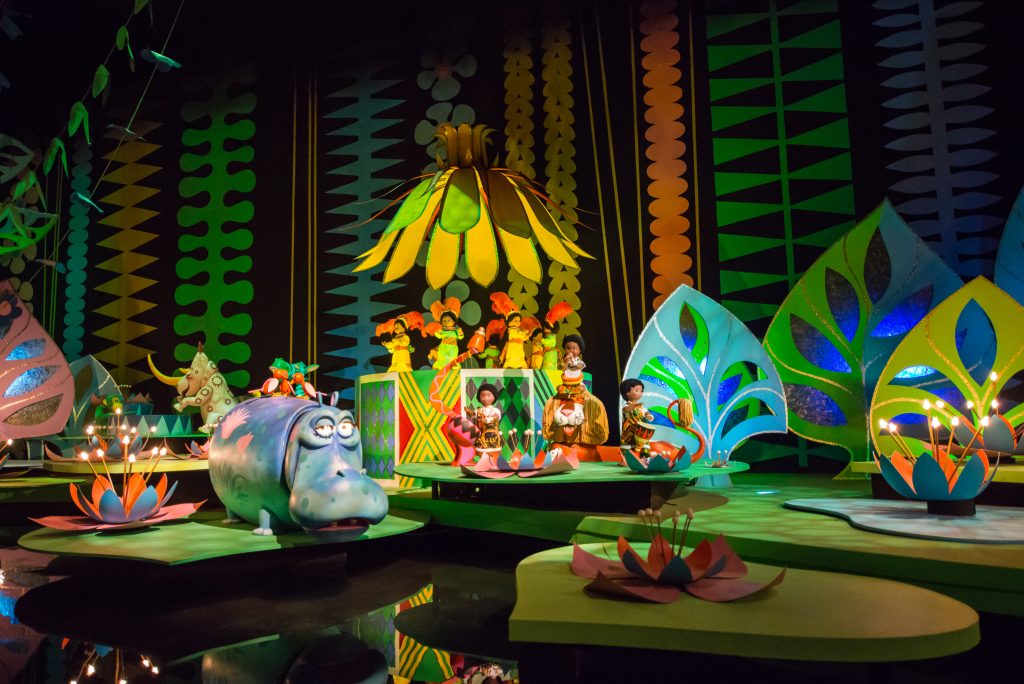
Photo by Cliff Wang
Know your kids. A child who hates the dark probably isn’t going to suddenly love a dark ride because you’re at Disney World. A kid who is nervous about drops may not care that an attraction has a 90-minute average wait and you managed to snag a Lightning Lane. There are dozens of things to do at Disney World, and skipping something your child won’t enjoy isn’t missing out. It’s making room for something they will.
Underestimating Transportation Time
Disney transportation is convenient, but it isn’t instantaneous. If you have to wait for a bus, fold a stroller, transfer somewhere, or simply walk from your room to the transportation stop, getting from Point A to Point B can become a surprisingly large part of your day.

Photo by Judd Helms
This matters even more when you have kids because rushing usually isn’t an option. Give yourself plenty of transportation time before dining reservations and other scheduled experiences. And when you’re deciding whether you really want to leave Magic Kingdom for lunch at a different resort and then come back afterward, remember that what looks like a quick detour on paper can eat up a significant chunk of your afternoon.
Saving the Most Important Thing for the End of the Day
If your child’s only request is to meet Mickey Mouse, don’t plan to do it at 8:30 PM after a full park day. Kids are unpredictable, and Disney days are even more unpredictable. Someone could get tired, weather could change your plans, or you could decide as a family that you simply don’t have another two hours in you.
Whenever possible, prioritize the things your kids care about most earlier in the day. Everything you accomplish afterward is a bonus. It’s much easier to leave the park early knowing your child already got to meet their favorite character than trying to convince an exhausted four-year-old to rally because you still haven’t done the one thing they’ve been talking about for six months.
Forgetting That This Is Their Vacation, Too
Adults can spend months researching Disney World and arrive with very specific ideas about what makes a “perfect” trip. Kids have a remarkable ability to ignore all of those plans.
They may prefer the playground to the attraction you were excited about. They might think riding the monorail is more fun than the ride you waited an hour for. They may want to eat the same Mickey-shaped snack every day instead of trying the restaurant you carefully booked 60 days earlier. That doesn’t mean the trip is going wrong.

Photo by Brett Svenson
Some of the best Disney World memories happen when you stop trying to execute the perfect vacation and pay attention to what your kids are actually enjoying. Have a plan, know your priorities, and do your research — but leave enough room for your kids to show you what their version of a great Disney day looks like.
