
Think rope dropping the most popular ride is the smartest move at Disney World? For families, it often backfires. Here’s what to do instead.
If you’re planning a trip to Disney World, you’ve likely come across one piece of advice more than any other: get there early and rope drop the most popular ride in the park.
It sounds like the ultimate time-saving hack. Knock out the biggest attraction first, avoid long lines, and set yourself up for a smooth day. But for families (especially those traveling with younger kids), this is the one rope drop strategy that consistently backfires.
The Wrong Way to Start the Day in Disney World
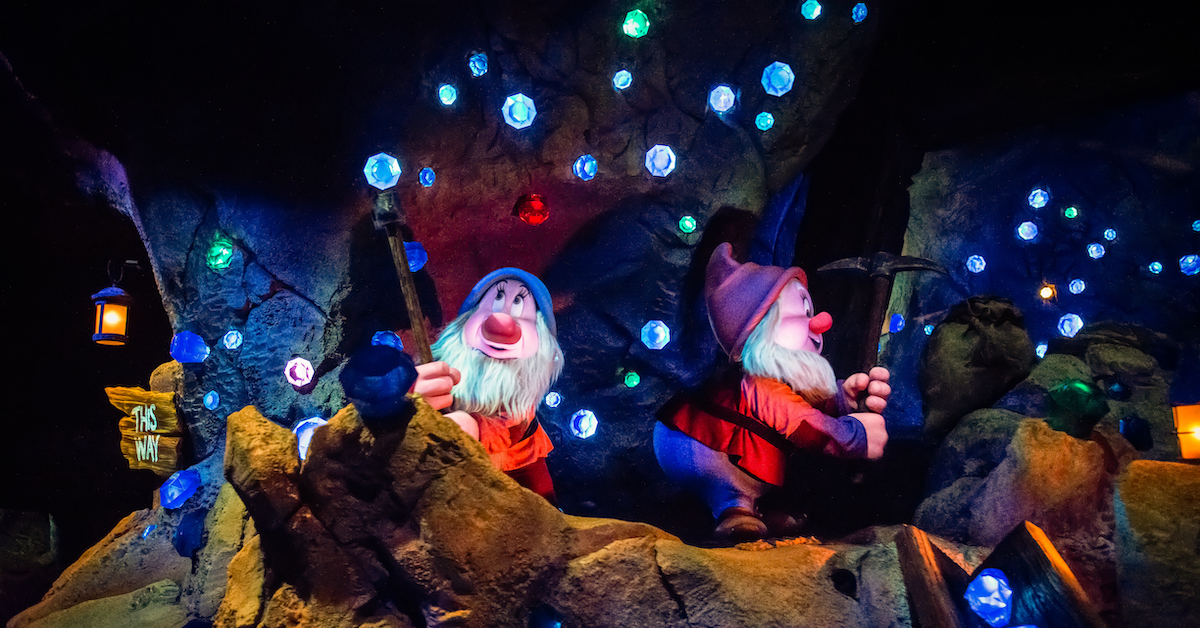
The logic behind rope dropping a headliner is simple: rides like Seven Dwarfs Mine Train or Avatar Flight of Passage regularly post the longest wait times later in the day, so getting on early feels like a win.
The issue is that this strategy isn’t a secret. At Magic Kingdom and Disney’s Animal Kingdom, hundreds (or more) of guests arrive with the exact same plan. When the park opens, those crowds don’t disperse evenly – they move as one.
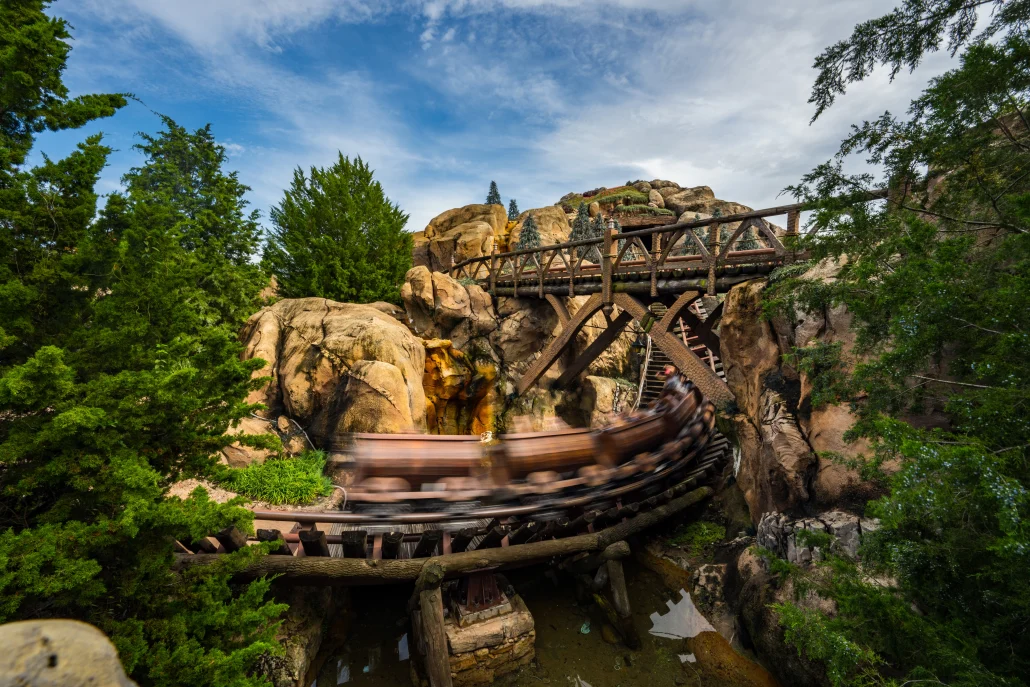
Photo by Cliff Wang
Instead of walking onto a ride, families often find themselves caught in a slow-moving surge of people, all funneling toward a single attraction. By the time you reach the queue, the wait can already stretch to 30 minutes or more. It’s not the efficient start most people imagined when they set their alarms before sunrise.
Why This Strategy Is So Tough on Families
What makes this approach particularly challenging isn’t just the time lost, it’s how it shapes the tone of the entire morning. Traveling with kids already requires a careful balance of timing, energy, and patience. Starting the day with a high-pressure rush can throw that balance off almost immediately.
Instead of easing into the park, families are hurrying from the moment they leave their hotel room, navigating transportation, security, and entry with a singular goal in mind. That sense of urgency can be overwhelming for younger kids, who may not understand why everything suddenly feels so rushed.

Photo by Judd Helms
Even once you reach the ride, the payoff often doesn’t match the effort. A 30- to 60-minute wait first thing in the morning (before snacks, before breaks, before anyone has really settled in) can feel significantly longer than the same wait later in the day. For kids, that early patience drain tends to linger, making the rest of the day feel harder than it needs to be.
Disney World Rope Drop Strategy for Families
Rope drop can still be one of the most powerful tools in your Disney planning strategy, it just works best when you shift your focus.
Instead of joining the crowd heading to the biggest ride, families will often have a much smoother experience going in the opposite direction. At Magic Kingdom, that might mean starting in Fantasyland or Tomorrowland, where multiple attractions can be experienced with little to no wait (not to mention these are typically the only lands open during Early Entry). At Disney’s Animal Kingdom, choosing something like Kilimanjaro Safaris early can offer a calmer, more enjoyable start.
This approach allows families to build momentum quickly. Within the first hour, it’s entirely possible to experience several attractions with minimal waiting. That sense of progress, checking off rides without stress, creates a positive tone that carries through the rest of the day.
What to Do About the Big Ride
Skipping the most popular ride first thing doesn’t mean skipping it altogether. In fact, many families find they can fit it in more comfortably later.
Wait times often fluctuate throughout the day, and evenings can bring noticeable dips as younger kids leave the park. For those using Lightning Lane, scheduling that headliner for later in the day can also eliminate the need to rush at rope drop.
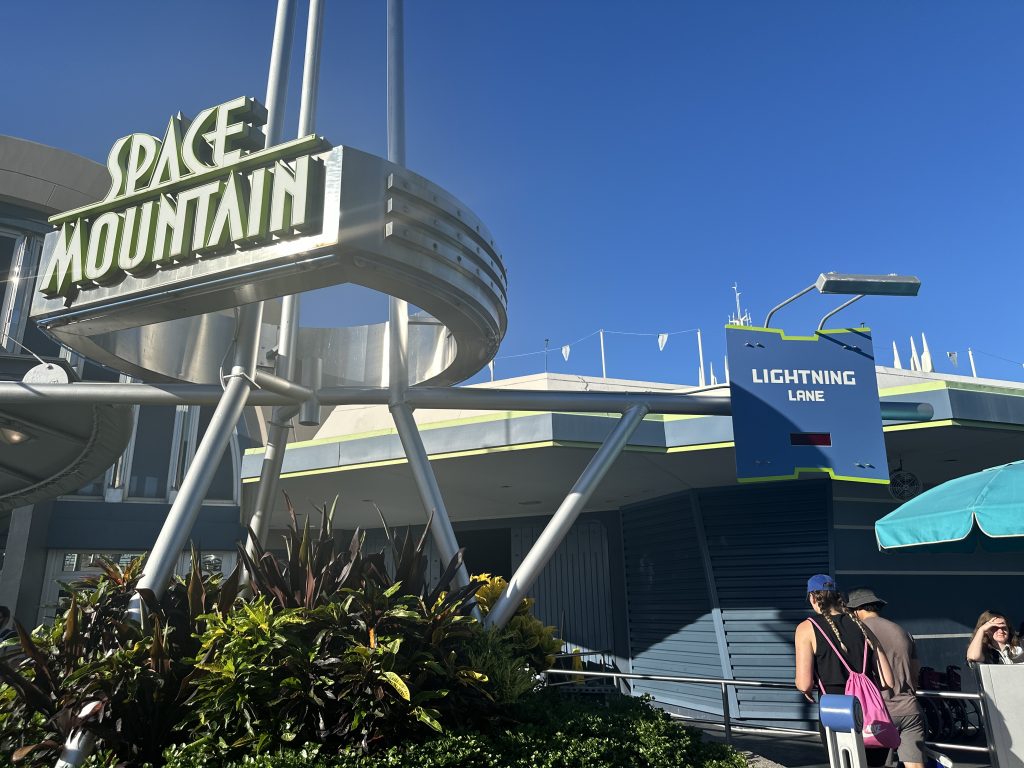
Photo by Morgan Flaherty
What’s surprising is that the total wait time for that ride may end up being similar, but without sacrificing your entire morning to get it done.
When Rope Dropping a Headliner Can Work
There are situations where going straight to the biggest ride does make sense. Guests staying on-site with early entry and arriving well ahead of the official opening have a better chance of beating the crowds. Older kids who are more patient in longer queues may also handle this strategy more easily.
But for most families, those ideal conditions don’t always line up. And when they don’t, the experience tends to be more stressful than successful.
Make Rope Drop Work for You
If you’ve ever found yourself second-guessing your plan the moment the crowds start moving, you’re not alone. One of the biggest challenges with rope drop isn’t just what to do, it’s having a clear, flexible strategy in the moment.
That’s where the Rope Drop Guide app can make a real difference for families.
Instead of guessing which direction to go or committing to a plan that might not hold up once you’re inside the park, the app is designed to help you make smarter rope drop decisions based on your park, your priorities, and how the morning is actually unfolding.
Why It Helps Families Specifically
For families with kids, flexibility is everything. The Rope Drop Guide app focuses on:
- Custom strategies by park so you’re not following a one-size-fits-all plan
- Alternative first moves that help you avoid the biggest crowd surges
- Step-by-step morning flow so you’re not figuring things out on the fly
- Less backtracking and stress, which is key when traveling with younger kids
Instead of rushing to join the crowd heading toward one ride, you’ll have a clearer idea of where to go instead and how to build an easier, more enjoyable first hour.
A Smoother Start Changes the Entire Day
The difference between a stressful rope drop and a smooth one is bigger than it seems. Starting your morning with short waits, easy wins, and a relaxed pace sets the tone for everything that follows.
And for families, that often means fewer meltdowns, more flexibility, and a day that actually feels like a vacation instead of a race.
